Political Freedom
The right to participate in civic life, express opinions and live without oppression. Democracy and human rights embody this dimension.
An exploration of liberty, autonomy and the human spirit
Freedom is the power or right to act, speak, or think as one wants without hindrance or restraint. It is the absence of subjection to domination, discrimination and coercion. Yet freedom is far more complex than a simple definition can capture.
Throughout history, philosophers, activists and ordinary people have grappled with the meaning and implications of freedom. From the ancient Stoics who sought freedom through self-mastery, to the Enlightenment thinkers who championed political liberty, to modern movements fighting for civil rights and social justice—the quest for freedom has been a defining human endeavor.
Freedom exists in multiple dimensions: political freedom from oppression, economic freedom to pursue opportunities, intellectual freedom to think and create and personal freedom to determine one's own path. Each dimension interconnects and the absence of one often diminishes the others.
"Freedom is not worth having if it does not include the freedom to make mistakes."
Mahatma Gandhi — Indian independence leader
To me, freedom represents the ability to pursue authentic self-expression and growth without fear of persecution or unnecessary constraint. It means having the agency to make meaningful choices about my life's direction while accepting responsibility for those choices.
Freedom is not absolute—it exists within the context of society and relationships. My freedom extends to the point where it respects the equal freedom of others. This delicate balance requires wisdom, empathy and constant negotiation.
I've come to understand that true freedom also includes freedom from internal constraints—the limiting beliefs, fears and habitual patterns that cage our potential. External freedom without internal liberation remains incomplete.
The pursuit of freedom is both deeply personal and inherently collective. We can only be fully free when we work to ensure freedom for all, recognizing our shared humanity and interconnected destinies.
"For to be free is not merely to cast off one's chains, but to live in a way that respects and enhances the freedom of others."
Nelson Mandela — Anti-apartheid revolutionary and former President of South Africa
The right to participate in civic life, express opinions and live without oppression. Democracy and human rights embody this dimension.
The power to make choices about your own life, body and future. Self-determination and independence in thought and action.
The ability to pursue opportunities, own property and build prosperity. Freedom from poverty and economic coercion.
The liberty to think, learn, create and express ideas without censorship or fear. Academic and artistic freedom.
The right to associate, communicate and build relationships freely. Freedom from discrimination and social constraints.
Freedom of belief, conscience and inner peace. The journey toward self-actualization and transcendence.
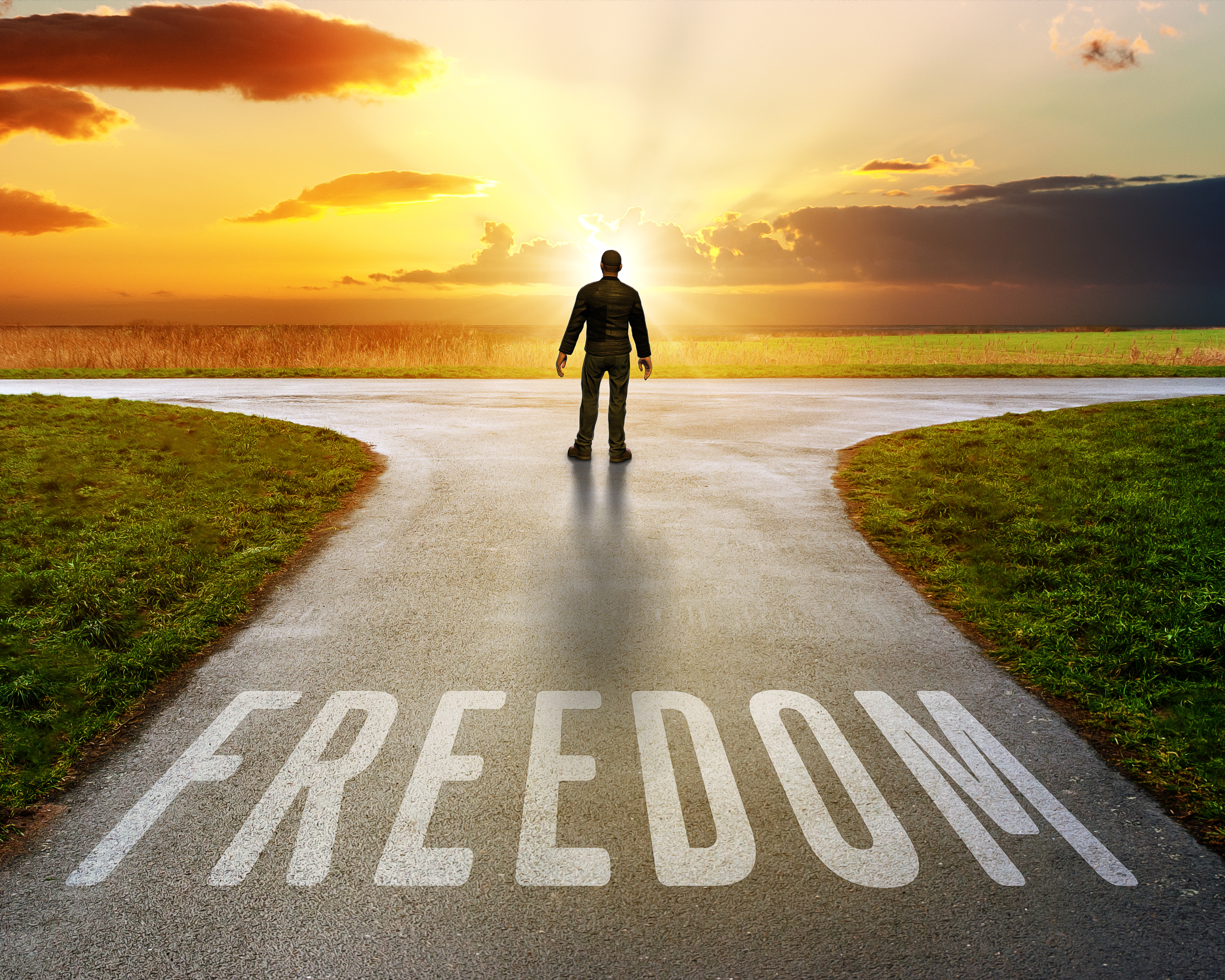
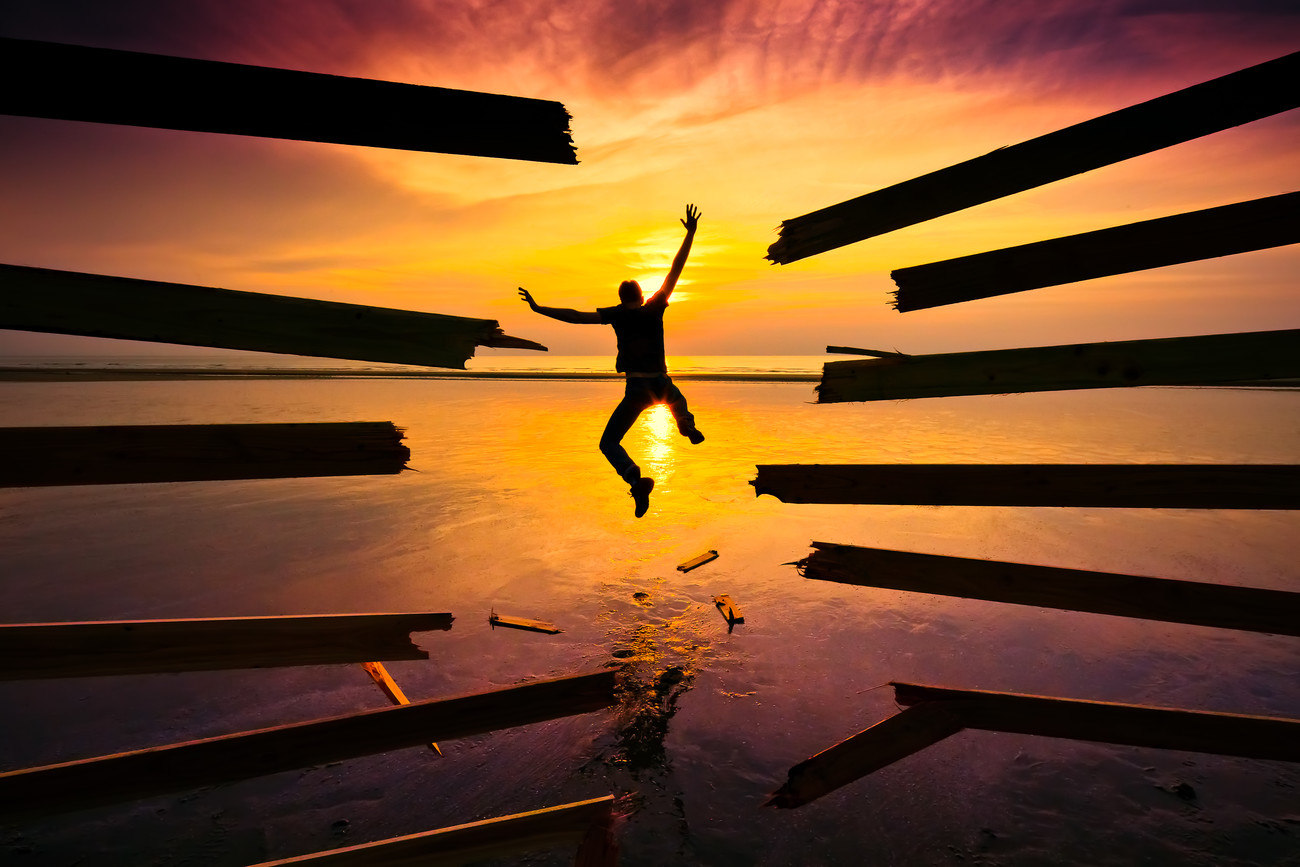
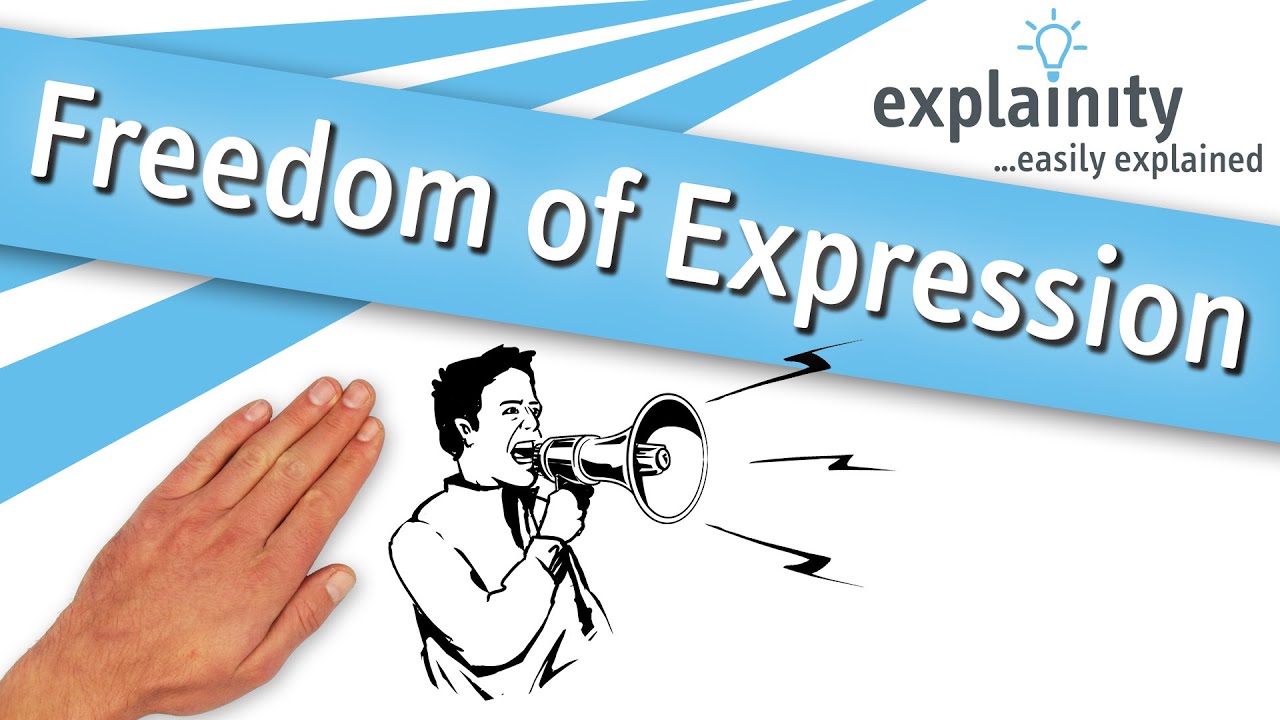
Through imagery, we capture the essence of freedom—from soaring heights to open horizons, from personal journeys to collective liberation.

Freedom presents us with profound paradoxes. To maintain freedom, we must accept certain constraints through laws and social contracts. Unlimited freedom for some inevitably restricts the freedom of others. The freedom to choose includes the burden of choice and the anxiety of possibility.
Jean-Paul Sartre famously wrote that humans are "condemned to be free"—we cannot escape the responsibility that comes with our freedom to choose. Even refusing to choose is itself a choice with consequences.
Moreover, complete freedom from all structure and meaning can become its own form of imprisonment. We need frameworks, communities and commitments to give our freedom direction and purpose. The art of freedom lies in finding the right balance between liberation and structure, autonomy and connection.
"Man is condemned to be free; because once thrown into the world, he is responsible for everything he does."
Jean-Paul Sartre — Existentialist philosopher
Freedom cannot be understood in isolation from its historical, cultural and social contexts. What constitutes freedom varies across cultures and evolves over time. The American Declaration of Independence proclaimed that "all men are created equal" while tolerating slavery—a stark reminder that concepts of freedom are often incomplete and contested.
In different contexts, freedom takes on different meanings. In authoritarian societies, freedom might mean basic civil liberties. In democratic nations, debates center on positive freedoms (freedom to achieve) versus negative freedoms (freedom from interference). In spiritual traditions, freedom often means liberation from attachment and desire.
Economic systems also shape our understanding of freedom. Market freedom emphasizes individual choice and property rights. Social democracies balance market freedoms with collective provision of basic needs. Each system embodies different assumptions about what freedom means and how it should be protected.
As we advance into an era of artificial intelligence, digital surveillance and global interconnection, new questions about freedom emerge. How do we preserve privacy and autonomy in a world of ubiquitous data collection? What does freedom mean when algorithms increasingly shape our choices and experiences?
Climate change poses another challenge to freedom. Can we remain free if our planet becomes uninhabitable? How do we balance individual freedoms with collective action needed to address existential threats?
The future of freedom depends on our ability to adapt timeless principles to new contexts, to expand our circle of moral concern and to recognize that our freedom is inextricably linked to the freedom and well-being of all people—and indeed, all life on Earth.
"Freedom consists not in doing what we like, but in having the right to do what we ought."
Pope John Paul II — Catholic Pope and philosopher